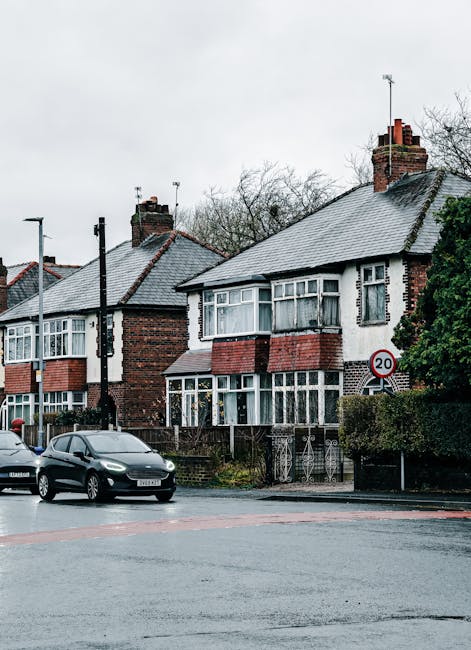
Do you need a permit for house clearance in Harrow Council areas?
If you are planning a house clearance in Harrow Council areas, the permit question usually comes up very early, and for good reason. Nobody wants a van delayed, a fine risk hanging over the job, or waste sat awkwardly outside a property while everyone tries to work out whose responsibility it is. The short answer is: sometimes yes, but not always. Whether you need a permit depends on how the clearance is carried out, where the vehicle is parked, and whether the work affects public land or highway space.
This guide explains the practical side in plain English. You will see when a permit is likely, when it is not, how house clearance normally works in residential streets, and what to check before moving a single sofa. Truth be told, this is one of those topics that feels minor until the day it goes wrong. Then it suddenly feels very major indeed.
Why Do you need a permit for house clearance in Harrow Council areas Matters
House clearance sounds simple: remove unwanted items, load them safely, and leave the property tidy. In reality, the hardest part is often not the lifting. It is the logistics. If a clearance vehicle needs to park on a public road, block a bay, or use a suspended space, permission may be needed. That is where Harrow Council rules and local parking controls can affect the job.
Why does this matter so much? Because a permit issue can delay the clearance, increase costs, or create avoidable stress for the homeowner, landlord, executor, or tenant. A couple of hours on a busy London street can turn into a frustrating shuffle if the vehicle has nowhere legal to stop. You will notice this especially near terraced streets, flats with tight access, and properties with limited driveways.
There is also a wider practical point. A proper clearance is not just about removing clutter. It is about doing it safely, legally, and with minimal disruption to neighbours. Let's face it, nobody wants a neighbour peering out of the curtains because a mattress is halfway onto the pavement while the crew argues over parking. Not ideal.
For many readers, this topic is really a decision-making question: can I organise this myself, or should I use a professional service that understands local access, lifting, loading, and waste handling? If you are comparing options, our house clearance service and home clearance service pages are a useful starting point.
How Do you need a permit for house clearance in Harrow Council areas Works
The permit issue usually comes down to where the vehicle stops and what the crew needs to do. A clearance carried out entirely from private land, with a driveway or forecourt that does not affect public space, may not need any permit at all. But if the truck or van must park on the road, use a bay, or temporarily occupy controlled space, permission may be required before the work begins.
In practical terms, there are a few common scenarios:
- Private driveway or private forecourt: often no permit is needed, provided the vehicle stays off the public highway.
- Roadside loading: a permit or parking permission may be needed if the vehicle needs to stop in a restricted or controlled area.
- Suspended bay or controlled parking zone: these usually require advance planning, and sometimes a permit or local authority approval.
- Use of skips or containers: these can trigger separate permissions, especially if they are placed on the road.
One thing people often miss: a permit may be required even when the clearance itself is small. A single bulky item, a garage clear-out, or a loft clearance can still create a parking issue if access is tight. So the question is not only "How much stuff is there?" but "Where will the vehicle stand while the team works?"
Most reputable clearance firms will ask a few practical questions before quoting. They may want to know whether there is a lift, a narrow staircase, shared access, distance from the property to the road, or parking restrictions nearby. That is not just admin. It is how they avoid delays and legal headaches. For flats and upper-floor access, the service pages for flat clearance and loft clearance may be especially relevant.
There is also a difference between a house clearance permit and waste carrier compliance. They are not the same thing. A permit relates to parking or use of space. Waste compliance relates to how the removed items are handled, transported, and disposed of. Both matter, just in different ways.
Key Benefits and Practical Advantages
Thinking about permits early may feel a bit dull, but it pays off. A well-planned clearance can save time, avoid awkward parking disputes, and keep the job moving smoothly. That is especially valuable if you are juggling estate work, a move, or a property handover deadline.
Here are the main advantages of getting the permit side right before a house clearance in Harrow Council areas:
- Less delay on the day: crews can start loading sooner when parking is sorted.
- Lower risk of fines or complaints: nobody enjoys hearing that the van was ticketed while the wardrobe was still in the hallway.
- Better safety: crews can work without rushing, blocking traffic, or handling heavy items in awkward positions.
- More accurate pricing: access and parking issues affect labour time, so clear planning makes quotes more reliable.
- Less stress for the customer: you are not making decisions on the fly while the driver waits outside.
There is also a quieter benefit: good planning makes the clearance feel respectful. This matters in bereavement clearances, long-neglected homes, or sensitive family situations. When everything is organised properly, the day has a calmer rhythm. It sounds small, but it really does make a difference.
If you are clearing items for reuse, donation, or disposal, consider how the contents will be separated. Furniture, mixed household goods, and reusable items may need different handling. Our pages on furniture clearance and furniture disposal can help you think through that part of the job.
Who This Is For and When It Makes Sense
This question is not only for homeowners. In Harrow Council areas, permit planning can matter for a wide mix of people and property types. If any of these sound familiar, you are in the right place:
- Homeowners clearing a property before sale, renovation, or downsizing.
- Tenants trying to return a flat in tidy condition at the end of a tenancy.
- Landlords dealing with abandoned belongings or between-let clearances.
- Executors and family members managing an estate or a loved one's home.
- Estate agents and property managers needing a fast turnaround before viewings or works begin.
- Businesses and offices with mixed waste, furniture, or archive items to remove.
The permit question becomes especially relevant when the property has limited access, residents' parking, or a busy road outside. A detached house with a large drive is usually much simpler than a top-floor flat on a narrow street. Common sense, really, but the difference can be dramatic.
It is also worth separating house clearance from general waste removal. If you are simply dealing with day-to-day rubbish, then the logistics may be different from a full property clearance. For broader jobs, our waste removal service may be more appropriate, while business premises may benefit from business waste removal.
And if the job involves a garage, garden, or builder's debris, the local access question can become more complicated again. That is where tailored services such as garage clearance, garden clearance, or builders waste clearance may be a better fit.
Step-by-Step Guidance
If you want to avoid surprises, use a simple process. It does not need to be complicated. In fact, the cleanest clearances tend to come from a few basic checks done early.
- Check the access point. Look at the driveway, road, loading area, bay restrictions, and any signs nearby. If a van will need to stop on a controlled street, assume permission may be involved.
- List the items to be removed. Large furniture, white goods, carpets, loft contents, and mixed household waste may affect loading time and vehicle size.
- Measure the practical route. Stairs, narrow hallways, low ceilings, and tight corners all matter. A clearance can look straightforward until the fridge meets the staircase. Then everyone gets quiet.
- Ask about parking and permits before booking. If you are using a professional service, tell them about parking restrictions, suspension needs, or any access barriers.
- Separate anything to keep. Put aside documents, keys, jewellery, photos, and personal items before the crew arrives.
- Confirm waste handling expectations. Make sure the service can explain what will be reused, recycled, or disposed of responsibly.
- Agree timing and arrival details. A morning slot can be easier in busy streets, but the best choice depends on local traffic and parking conditions.
A useful little habit is to stand outside the property for one minute and imagine the whole move: where the vehicle will stop, which door will be used, where bulky items will turn, and whether a neighbour's car could block access. One minute of attention saves an awful lot later.
If you need a service that clears a whole property rather than individual items, our house clearance and home clearance pages explain the type of work involved.
Expert Tips for Better Results
After plenty of real-world clearances, a few patterns become obvious. The jobs that go smoothly are rarely the ones with the fanciest setup; they are the ones with the clearest information.
- Send photos early. Pictures of access, the front of the property, the staircase, and the main items help estimate the work properly.
- Be honest about clutter. If the loft has not been touched in ten years, say so. It helps the crew prepare for dust, hidden bags, and awkward loading.
- Keep parking details specific. "There is parking outside" is not as useful as "There is one resident bay and a single yellow line opposite."
- Book enough time for sorting. Mixed contents often take longer than people expect, especially when sentimental items are involved.
- Plan for disposal and sustainability. If items can be reused or recycled, a thoughtful service should be able to separate them where appropriate. You can read more about our approach on the recycling and sustainability page.
One very practical tip: if there is a chance a permit might be needed, bring that up at the quote stage rather than the morning of the job. It is far easier to solve this calmly than while a van is idling outside and a clock is ticking. Honestly, that simple conversation prevents a lot of grief.
For customers who want transparency around booking and payment, it can also help to review pricing and quotes as well as payment and security.
Common Mistakes to Avoid
Most permit-related problems come from assumptions. People assume the road space is fine, assume the vehicle can stop wherever it likes, or assume the crew will sort everything out automatically. Sometimes they do. Often, they cannot.
- Assuming a permit is never needed. Parking and loading rules vary by street and situation.
- Leaving parking checks until the day of clearance. That is usually too late.
- Forgetting to mention shared access. Communal driveways, narrow lanes, and estate roads can create complications.
- Not separating personal items first. Once a clearance begins, small valuables can be easy to miss.
- Choosing the wrong type of service. A house clearance, office clearance, or furniture-only removal each has different practical needs.
- Ignoring recycling and duty of care. Cheap can become expensive if waste is not handled properly.
There is also a subtle one: underestimating emotional load. Clearing a parent's home or a long-term family property is not just a logistical task. People get tired, sentimental, and occasionally a bit snappy. Perfectly normal. Build in some breathing room if you can.
If the job is larger than expected or includes multiple rooms, a specialist office clearance or property clearance approach may be worth considering too, especially where access and timing are tight.
Tools, Resources and Recommendations
You do not need a long toolkit for this sort of planning, but a few simple things help a great deal:
- Phone camera: take clear photos of access, parking signs, and the main items.
- Basic tape measure: useful for doors, stair widths, and larger furniture.
- Notebook or notes app: jot down permit concerns, access times, and any building instructions.
- Labels or sticky notes: mark what stays, what goes, and what needs checking.
- Bin bags and boxes: keep documents, small loose items, and donations separate.
In terms of recommendations, the best one is simple: choose a service that asks good questions. The right provider will care about access, safety, parking, and waste handling rather than just turning up with a van and hoping for the best. If you want to understand the business side of the company behind this content, the about us page gives useful background.
It is also sensible to review the company policies that affect how a job is carried out. For example, the health and safety policy, insurance and safety information, terms and conditions, and complaints procedure can help set expectations before work begins.
Law, Compliance, Standards, or Best Practice
Without pretending to give formal legal advice, the safest way to think about house clearance in Harrow Council areas is this: you need to respect parking rules, traffic restrictions, property access rules, and waste-handling duties. Those are the main compliance layers people usually bump into.
Typical best practice in the UK includes:
- checking whether the vehicle can park legally for the duration of loading;
- confirming whether a controlled parking permit, suspension, or loading exemption may be needed;
- making sure the company handling the waste is properly set up for transport and disposal;
- separating items that should be retained, recycled, donated, or disposed of;
- avoiding obstruction of pavements, neighbours' driveways, or emergency access routes.
House clearance is often treated casually, but in practice it is a small logistics operation. That means judgment matters. A narrow street with school traffic, limited bays, and a first-floor flat is a very different job from a suburban house with a long drive. Same service label, completely different risk profile.
Best practice also means being careful with communication. If the schedule is tight, say so. If the property has access restrictions, say so. If the clearance includes a mix of furniture, general waste, and bulky items, say so. Clear information helps keep the job compliant and tidy.
Options, Methods, or Comparison Table
There are a few ways people handle a house clearance, and each one affects whether a permit is likely. Here is a simple comparison.
| Method | When a permit may be needed | Best for | Main drawback |
|---|---|---|---|
| Private driveway clearance | Usually not, if all work stays on private land | Homes with good access and off-road parking | Limited by vehicle size and route to the property |
| Roadside van loading | Often possible, but controlled parking may trigger permission | Urban streets with no driveway | More planning and parking risk |
| Skip or container placement | Frequently, especially if placed on the highway | Large clearances or renovation debris | Space, permits, and time constraints |
| Professionally managed clearance | Handled as part of the job assessment | Busy households, estates, flats, and offices | May cost more than doing it yourself |
In a lot of real cases, the professional option is the least stressful because the provider can judge access, loading time, and parking complications upfront. If you are comparing service types, the pages for furniture clearance and garage clearance can help you choose the right route for your items.
Case Study or Real-World Example
A typical clearance in Harrow might involve a semi-detached property on a residential road with residents-only parking. The family wants to clear a front room, a spare bedroom, and some loft items before putting the house on the market. On paper, it sounds straightforward. But the parking bays outside are limited, and the road gets busy around school pick-up time.
In that kind of situation, the important questions are not just "how many items?" but "where will the vehicle stand?" and "how long will loading take?" The cleaner solution is often to plan the work outside peak traffic, check whether a permit or bay arrangement is required, and split the removal into logical sections. The crew can then work steadily instead of darting in and out while worried about a ticket.
Another common version is a flat clearance with no driveway, only a single loading option near the building entrance. In that scenario, the access plan matters as much as the item list. A few heavy pieces, a staircase, and a strict parking zone can turn a modest job into a logistical puzzle. Not impossible. Just worth planning properly.
When the job is planned well, the outcome feels calm: furniture out, rooms empty, floors swept, and no last-minute scramble over parking. That is the goal. Simple, really.
Practical Checklist
Use this checklist before a house clearance in Harrow Council areas:
- Confirm whether the vehicle will stay on private land or use public road space.
- Check for resident bays, yellow lines, loading restrictions, or suspended parking.
- Photograph the front of the property and the access route.
- Measure doors, stairwells, and any tight turns for large furniture.
- Remove valuables, paperwork, medicines, and sentimental items first.
- Tell the provider about flats, narrow lanes, lifts, or shared entrances.
- Ask how waste, furniture, and reusable items will be handled.
- Review pricing, payment, and any terms before booking.
- Allow enough time for sorting and loading.
- Keep a backup plan in case parking or access changes on the day.
If you need help with a more specific project, it may be worth looking at loft clearance or builders waste clearance depending on the type of material involved.
Get a free quote today and see how much you can save.
Conclusion
So, do you need a permit for house clearance in Harrow Council areas? The practical answer is that you may need one if the job uses public road space, a controlled bay, or another restricted parking arrangement. If everything happens on private land, you may not. The exact answer depends on the property, the vehicle, the street, and the access situation.
The safest way to approach it is to check parking and access early, share clear details with the clearance provider, and avoid guessing. That small bit of planning can save time, money, and a surprising amount of stress. And when the job is sensitive, that peace of mind matters more than people expect.
If you are preparing for a clearance now, take the practical route: gather your photos, check the access, and choose a service that treats the logistics seriously. A good clearance should feel organised, respectful, and refreshingly uneventful. Which, to be fair, is exactly what most people want.
Frequently Asked Questions
Do you always need a permit for house clearance in Harrow Council areas?
No, not always. If the clearance vehicle can stay on private land without affecting public parking or road space, a permit may not be needed. The issue usually comes up when the work uses controlled or restricted street space.
Who is responsible for getting a permit?
That depends on the arrangement. Sometimes the customer arranges it, sometimes the clearance company handles the practical side, and sometimes both parties need to coordinate. The key is to clarify this before the job date, not on the kerb with the engine running.
Can a clearance van stop outside my house without permission?
Only if parking and loading are lawful in that location. If the street has restrictions, controlled bays, or loading limits, the van may need a permit or another form of permission.
What happens if the street has resident parking only?
Resident-only parking can make house clearance more complicated. The driver may need to use a loading bay, pay-and-display space, suspension, or another approved arrangement depending on the street and the time of day.
Do flat clearances usually need a permit more often than house clearances?
Often, yes, because flats more commonly have limited access, shared entrances, and tighter parking. That said, it really depends on the building and the road outside.
Is a skip permit the same as a house clearance permit?
No. A skip permit relates to placing a skip or container on public land. House clearance parking or loading permission is a separate issue, although both can arise on the same project.
How far in advance should I check permit needs?
As early as possible. A few days ahead is better than a few hours ahead, especially if the property is on a busy road or in a controlled parking area.
What details help a clearance company judge permit needs?
Photos of the front of the property, access route, parking signs, bay markings, and the main items are usually very helpful. Exact street conditions matter more than broad descriptions.
Can I do a house clearance myself to avoid permit issues?
You can, but it is not always simpler. You still need to think about parking, loading, lifting, waste disposal, and whether the items can fit safely in your own vehicle. Sometimes DIY saves money; sometimes it simply creates more trips and more faff.
What if the clearance includes furniture, garden waste, and loft items?
That is a mixed clearance, and it may need more planning than a single-room job. Different item types can affect loading time, vehicle size, and the number of crew members needed.
How do I know whether the provider handles waste responsibly?
Ask clear questions about sorting, recycling, and disposal. A trustworthy company should be able to explain how it deals with reusable items and general waste. You can also review the company's recycling and sustainability approach for added reassurance.
What should I do if I am clearing a property after a bereavement?
Take it slowly if you can. Set aside important documents, keepsakes, and personal items before the main clearance begins. A careful, respectful approach matters more than speed in those situations.
Can I get help if I am not sure whether a permit is needed?
Yes. The easiest next step is to speak with a clearance provider, share the property details, and ask them to assess the parking and access risk. If you want to make an enquiry, use the contact us page.